

In this comprehensive guide, we will deeply explore how whatsapp api provider messaging workflow functions. If you’re curious about how WhatsApp API works, what happens when a message is sent or received, and how businesses leverage a whatsapp api provider to deliver messages at scale, this guide is for you.
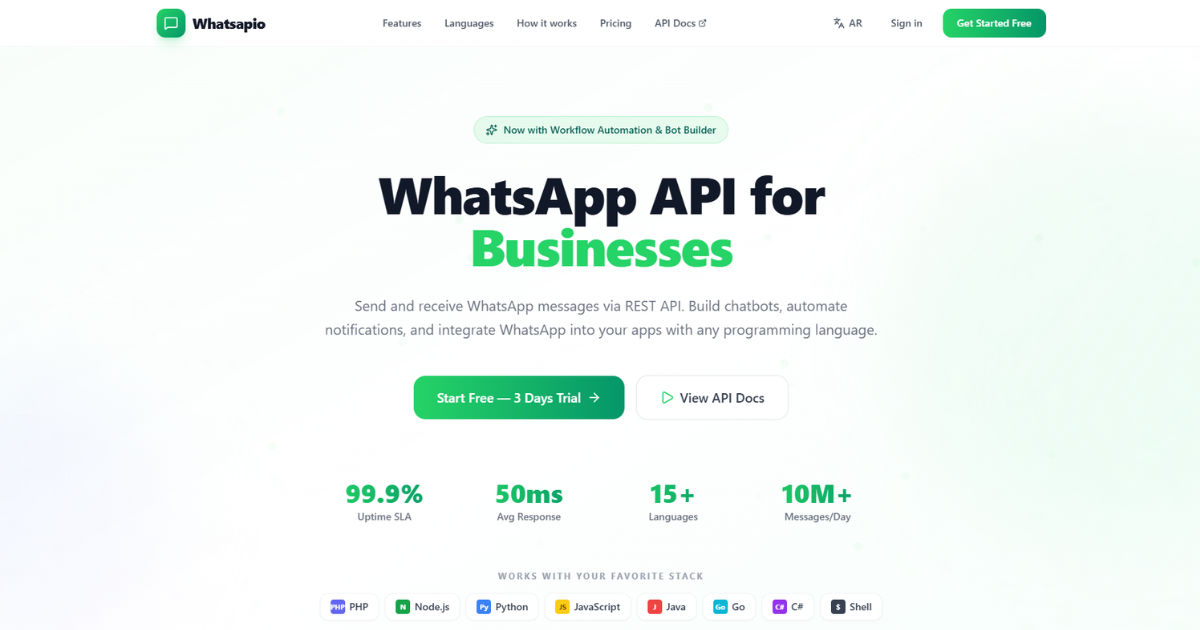 We will explain every step in simple language so a 12th grade audience can understand. From the basics of a whatsapp api provider to advanced workflow stages, you’ll learn everything needed to grasp the messaging workflow of WhatsApp API.
A whatsapp api provider plays a central role in how messages are structured, sent, delivered, and responded to. Businesses don’t interact with the WhatsApp API directly; instead, they integrate through a whatsapp api provider that simplifies integration, manages message templates, and handles security compliance.
Throughout this guide, we’ll refer to the term whatsapp api provider often to build a clear understanding of the complete process.
What Is a WhatsApp API?
A WhatsApp API stands for Application Programming Interface. It allows applications to communicate with WhatsApp servers. When a business wants to send thousands of messages, notifications, or customer support responses through WhatsApp, they use a whatsapp api provider to connect their system with the WhatsApp messaging platform.
A whatsapp api provider acts as a gateway, simplifying and managing the technical complexity of building a direct connection to WhatsApp servers. Without a whatsapp api provider, businesses would struggle to scale messaging or ensure reliability and compliance.
Why Businesses Need a WhatsApp API
Businesses use a whatsapp api provider for several reasons:
- To send and receive messages automatically
- To integrate WhatsApp into their customer service systems
- To send order updates, reminders, and alerts
- To manage millions of conversations daily
A whatsapp api provider helps businesses stay organized and compliant with WhatsApp policies.
Now let’s break down the workflow.
Overview of WhatsApp Messaging Workflow
The WhatsApp messaging workflow through a whatsapp api provider involves several distinct steps. These steps ensure that messages are authenticated, routed correctly, and delivered securely.
The major stages include:
- Registration and Setup
- Authentication
- Message Creation
- Template Approval
- Message Sending
- Delivery and Receipt
- Message Status Updates
- Response Handling
Each stage involves both the business and the whatsapp api provider working together.
Registration and Setup
Before any messages can be sent, a business must register with a whatsapp api provider. The provider helps set up the WhatsApp Business Account and ensures compliance with WhatsApp’s terms.
During this stage, a whatsapp api provider assists with:
- Verifying business identity
- Setting up phone numbers
- Configuring message templates
- Ensuring the integration environment is secure
You can’t send any messages without completing these steps with your whatsapp api provider.
Authentication and Security
Once registration is done, authentication begins. Authentication ensures that only authorized users and systems can send messages.
A whatsapp api provider handles security by managing:
- Access tokens
- Certificates
- Encrypted communication
When your application wants to send a WhatsApp message, it must first authenticate with the whatsapp api provider.
Only authenticated systems can send or receive messages.
Message Creation
Now that your system is authenticated through a whatsapp api provider, you can start creating messages.
Messages can be of various types:
- Text messages
- Media messages (images, videos)
- Template messages
The whatsapp api provider accepts message data in a structured format, validates it, and sends it to WhatsApp servers.
Whenever you build a message, think of your whatsapp api provider as the messenger that takes your content and prepares it for delivery.
Template Messages and Approval
WhatsApp doesn’t allow all messages to be sent freely. Many message types must be approved templates. This is where the whatsapp api provider helps the most.
A whatsapp api provider:
- Submits the template for WhatsApp review
- Tracks approval status
- Notifies you when the template is accepted
Templates are used for messages like order confirmations, shipping updates, and appointment reminders.
For example, a template might look like:
“Hello {{1}}, your order #{{2}} is ready for pickup.”
Once approved, the whatsapp api provider ensures the template is formatted correctly and used wherever needed.
Sending Messages
With approved templates and message creation logic in place, your system is ready to send messages using a whatsapp api provider.
Here’s what happens:
- Your application sends a request to the whatsapp api provider API.
- The whatsapp api provider verifies the message content.
- The whatsapp api provider routes the message to WhatsApp.
- WhatsApp servers process and deliver the message.
At every step, the whatsapp api provider tracks what’s happening and reports back to your system.
Delivery and Receipt
After sending a message, WhatsApp tries to deliver it to the recipient. The whatsapp api provider tracks delivery status and reports it back to your application.
Delivery statuses include:
- Sent
- Delivered
- Read
A whatsapp api provider ensures that these statuses are updated in your system, so you always know what’s happening with each message.
Message Status Updates
As messages move through the workflow, status updates help keep track of progress.
A whatsapp api provider maintains:
- Message queued
- Message sent
- Message delivered
- Message read
These status updates help businesses understand performance and improve customer interactions.
Handling User Responses
WhatsApp is a conversational platform. When customers respond, messages come back through the whatsapp api provider.
Your system receives messages like:
- Text replies
- Media attachments
- Emojis
The whatsapp api provider ensures all of these are delivered to your system with full context and metadata.
Error Handling
Errors can happen. When they do, the whatsapp api provider plays a key role in managing them.
Common errors include:
- Invalid phone number
- Unapproved template
- Authentication failure
A whatsapp api provider returns error codes and explanations so your system can respond appropriately.
Rate Limits and Throttling
WhatsApp enforces limits on how many messages businesses can send. A whatsapp api provider manages these limits by:
- Monitoring message volumes
- Queuing messages if necessary
- Ensuring compliance
This prevents your account from being flagged or restricted.
Security and Data Privacy
Security is critical. A whatsapp api provider ensures that:
- Data is encrypted
- Communication is secure
- Access is controlled
These measures protect both the business and the end user.
Integration with Business Systems
A whatsapp api provider doesn’t work alone. It integrates with systems like:
- CRM platforms
- Customer support tools
- Order management systems
This deep integration makes communication seamless and powerful.
Analytics and Reporting
Data drives decisions. A whatsapp api provider provides analytics such as:
- Message volumes
- Delivery rates
- Engagement metrics
These insights help businesses improve communication strategies.
Best Practices for Workflow
To optimize messaging through a whatsapp api provider, follow these practices:
- Use approved templates wherever possible
- Handle errors gracefully
- Respect user privacy
- Limit frequency of messages
These practices ensure high engagement and compliance.
Common Use Cases
Businesses use a whatsapp api provider for:
- Customer support
- Order updates
- Appointment reminders
- Promotional messages
Every use case follows the same basic workflow, powered by the whatsapp api provider.
Choosing the Right WhatsApp API Provider
Selecting the right whatsapp api provider can make or break your project. Consider:
- Reliability
- Integration ease
- Support quality
- Pricing
The right whatsapp api provider ensures smooth operations, scalability, and growth.
Challenges and Solutions
Some common challenges include:
- Template approval delays
- High message volumes
- Complex integrations
These are solved with proper planning and a strong whatsapp api provider partnership.
Future of WhatsApp Messaging
As messaging evolves, whatsapp api provider platforms will support new features like:
- AI chatbots
- Rich media delivery
- Advanced analytics
These advancements will make workflows even more powerful.
Conclusion
In this guide, we explored how the whatsapp api provider messaging workflow functions, from registration and setup to message delivery and response. A whatsapp api provider is essential for businesses to manage WhatsApp messaging at scale. Understanding this workflow helps businesses build effective communication strategies, improve customer experiences, and stay compliant with WhatsApp policies.
We covered the role of a whatsapp api provider, the stages of messaging workflows, the importance of templates, and how messages are processed and delivered. Whether you’re a developer, marketer, or business owner, knowing how the whatsapp api provider messaging workflow operates empowers you to create better messaging solutions.
By mastering this workflow, you can ensure that your communications are reliable, compliant, and engaging. Always choose a reliable whatsapp api provider, follow best practices, and keep user experience at the forefront of your strategy.